
-On behalf of the LEADS Forum
(Lanka-e-News -20.Feb.2026, 10.00 PM)
Sri Lanka’s Energy Policy Stands at a Turning Point
Sri Lanka faces a critical moment in shaping its energy future. The newly drafted National Electricity Policy and Tariff Strategy raises serious concerns, as it appears to diverge from the objectives set out in the Electricity Act No. 36 of 2024 (as amended). The Act mandates that the electricity policy align with a comprehensive National Energy Policy; however, no such overarching framework currently exists. The document’s reference to the 2019 National Energy Policy is inadequate, as developments over the past years have rendered that policy obsolete. Observers have also questioned whether the policy development process complied with the required two-step stakeholder consultation. Transparency and inclusive dialogue remain essential before final approval.
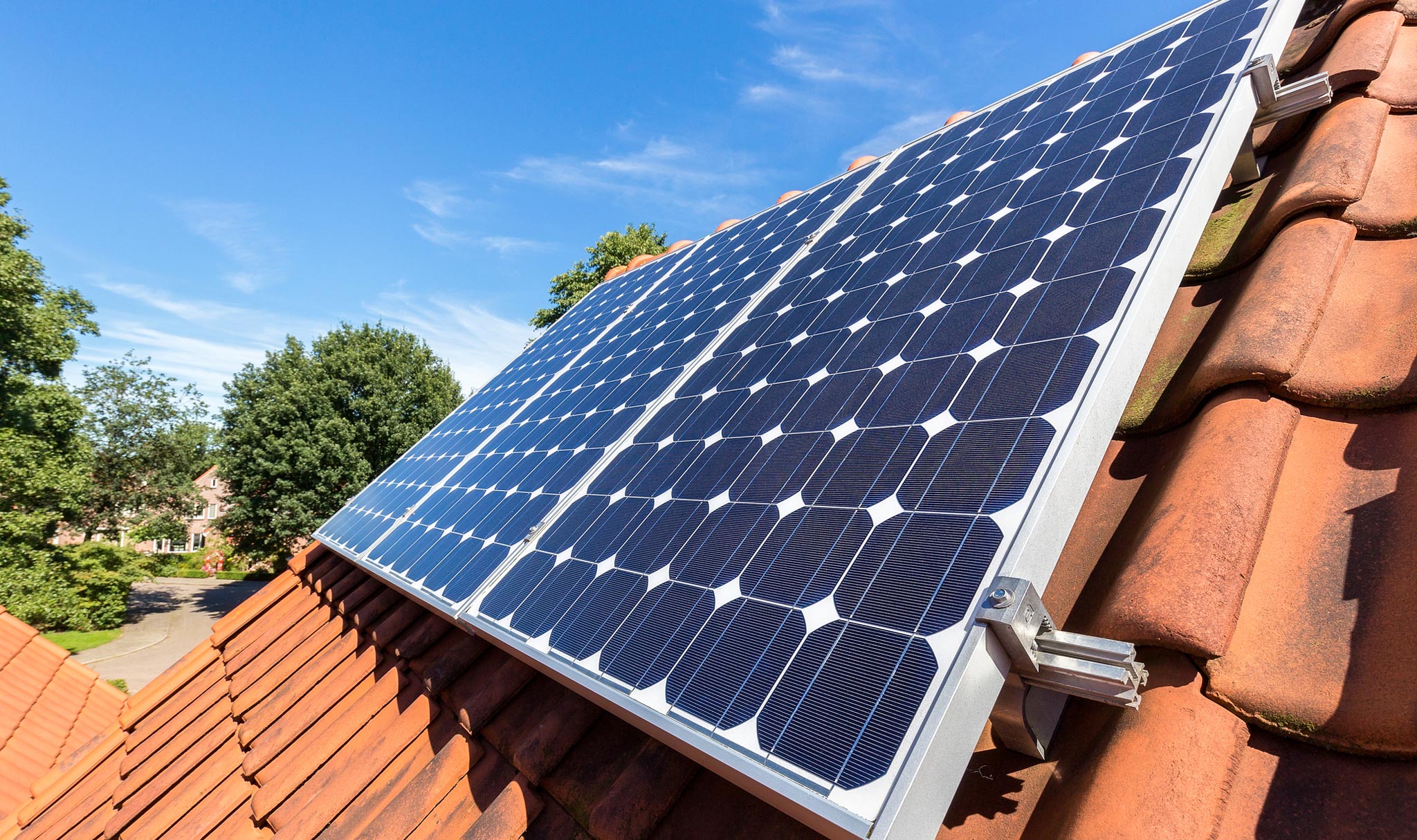
Meanwhile, the Cabinet-approved Renewable Energy Development Plan 2026–2030 appears to place less emphasis on rooftop solar—one of the most successful citizen-led energy solutions during repeated power shortages over the past two decades. There is a clear mismatch between this Plan and the proposed Electricity Policy and Tariff Strategy.
A recent Zoom discussion in Sinhala with electrical engineers, energy economists, power system specialists, and environmental scientists highlighted several key concerns (watch the video below). The proposed policy direction could shift focus away from the complete elimination of reliance on imported fossil fuels, despite progress in harnessing Sri Lanka’s abundant solar, wind, and hydro resources. Experts warned that reducing support for rooftop solar—the fastest way to deploy indigenous renewable energy—could increase the country’s vulnerability to future energy crises and deepen dependence on imported fuels, potentially complicating efforts to manage national debt and balance-of-payment challenges.
During the worst power shortages, households and businesses endured daily outages of 6 to 10 hours. Rooftop solar provided a critical lifeline, at least for the few who had adopted it. Citizens financed this expansion independently, generating electricity for their own households and feeding surplus power into the national grid at a lower cost than fossil-fuel alternatives. Rooftop solar not only strengthened national energy resilience but also reduced pressure on state finances.
Yet today, rooftop solar faces regulatory and policy uncertainty. Some reports suggest that the Ceylon Electricity Board (CEB) regards it as problematic—a view experts describe as outdated and indicative of a lack of understanding of ground realities among those responsible for this nationally critical sector.
Grid Stability Can Be Managed
CEB officials have argued that distributed solar threatens grid stability. Globally, similar concerns exist but are addressed through:
* Battery storage
* Pumped-storage hydropower
* Advanced forecasting and grid-balancing technologies
* Transmission and distribution network upgrades
Sri Lanka can integrate rooftop solar successfully by modernising the grid and promoting complementary technologies, rather than abandoning citizen-led generation. The minimal immediate investments needed could even be supported by the private sector proponents, the “ Prosumers”
Large-scale wind and solar projects face intermittency and require substantial storage, whereas rooftop solar delivers renewable energy without imposing heavy capital costs on the state. Prosumers can adopt battery storage independently, reducing system-wide costs. Stakeholders note that initiatives previously supported by the CEB and Cabinet now appear stalled—particularly the visionary Surya Bala Sangraamaya, under which over 2,200 MW of renewable energy was added to the grid entirely through prosumer investment. Limiting rooftop solar contradicts government commitments, including pledges to significantly expand renewable energy capacity.
President AKD, you have correctly emphasised affordable electricity as central to national development. Sinister policy shifts that reduce support for decentralised energy risk higher consumer costs, potential power interruptions, and economic instability.
Low-cost energy is not a slogan; it is a national necessity.
Decentralised, low-cost energy can:
* Lower the cost of living by reducing household, food and transport expenses
* Attract global investment and create jobs
* Enhance industrial competitiveness worldwide
* Support progress toward SDG 7: “Affordable and clean energy for all”
Countries worldwide demonstrate that accessible, low-cost energy underpins economic growth and is a crucial pillar of their development.
* China – solar manufacturing and electric vehicle leadership
* United States – economic gains via shale gas
* Norway – industrial competitiveness through hydropower
* Brazil and Canada – renewable energy supporting exports
Sri Lanka can achieve similar benefits by fully utilising its solar, wind, and hydro resources.
Rooftop solar is already a people-powered national resource. It delivers:
* Zero capital cost to the state
* No subsidy burden
* Significant social and economic returns
It also creates employment opportunities for youth, women engineers, and entrepreneurs—aligning with the people-centric energy transition envisioned by the National People’s Power (NPP).
Rooftop solar helped Sri Lanka survive its last energy crisis. The Government must protect, strengthen, and actively promote this resource, rather than marginalising it.
Decades of prioritising expensive, reactive solutions have left citizens vulnerable to power cuts and system failures. Sri Lanka needs a forward-looking energy strategy that guarantees reliability, planned expansion, and affordable electricity for every household and business.
Your commitment to lower consumer tariffs requires continued support for rooftop solar, fair feed-in tariffs, and a shift away from high-cost fossil fuel dependency.
We urge your leadership to ensure that Sri Lanka’s energy policy prioritises low-cost, resilient, citizen-powered electricity, for the benefit of all.
Chula Goonasekera – Coordinating Layperson
Lakmal Fernando – Renewable Energy Entrepreneur and Economist
Parakrama Jayasinghe – Mechanical Engineer and Renewable Energy Promoter
[email protected]
watch the video below
---------------------------
by (2026-02-20 16:30:58)


)


 Read 13596 Times
Leave a Reply
 0 discussion on this news