
- By Ruwan Weerakoon
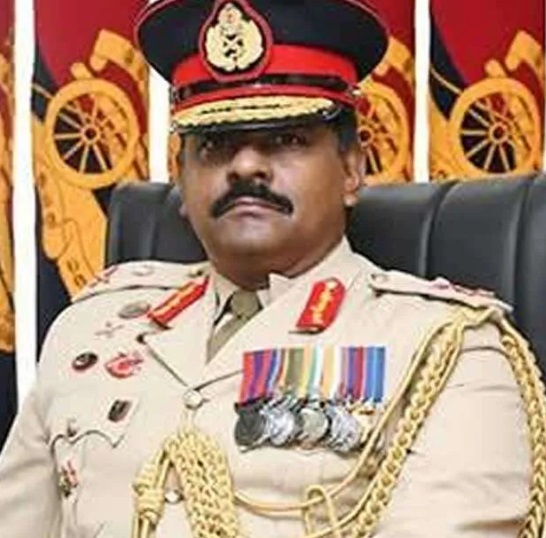
(Lanka-e-News -25.April.2026, 5.25 PM) Concerns have been raised following recent proceedings in the Magistrate’s Court regarding the Easter Sunday attack investigations. During submissions, Assistant Solicitor General Dileepa Peiris reportedly made statements referring to the role of military intelligence.
Subsequently, questions have emerged about an alleged communication between the Army Commander and the Assistant Solicitor General. According to unverified sources, the Army Commander is said to have expressed strong disagreement with the court submissions relating to former military intelligence officials, including Major General Suresh Sallay.
What authority, if any, does a serving Army Commander have to directly contact or challenge a state prosecutor over court submissions?
Does such interaction, if it occurred, align with the principles of judicial independence and the separation of powers?
Are there established protocols governing communication between the military and the Attorney General’s Department in ongoing cases?
Legal experts note that prosecutors are expected to act independently based on evidence and the law, without undue influence from external actors, including the military.
Further, allegations circulating from unnamed sources claim that legal representation for certain former intelligence officials may be supported by military resources. These claims remain unverified and require thorough investigation.
Given the sensitivity of the Easter Sunday attack investigations, transparency and adherence to the rule of law are essential to maintain public confidence.
In Sri Lanka, an Army Commander does NOT have legal authority to threaten or interfere with a prosecutor.
The Attorney General’s Department operates independently when presenting cases in court.
An Assistant Solicitor General is acting under the authority of the Attorney General, not the military.
The military is part of the executive branch, and cannot legally interfere with judicial proceedings.
If a call like the one you describe actually happened and involved intimidation, it would be:
A serious breach of protocol
Potentially contempt of court or obstruction of justice
A violation of the rule of law and separation of powers
You’re referring to the period under Gotabaya Rajapaksa, when critics often alleged increased military influence in civilian matters. Whether that continues today is a matter of political analysis—but any such incident would raise similar concerns regardless of the administration.
---------------------------
by (2026-04-25 12:01:45)


 Read 34272 Times
Leave a Reply
 0 discussion on this news