
By Ruwan Weerakoon
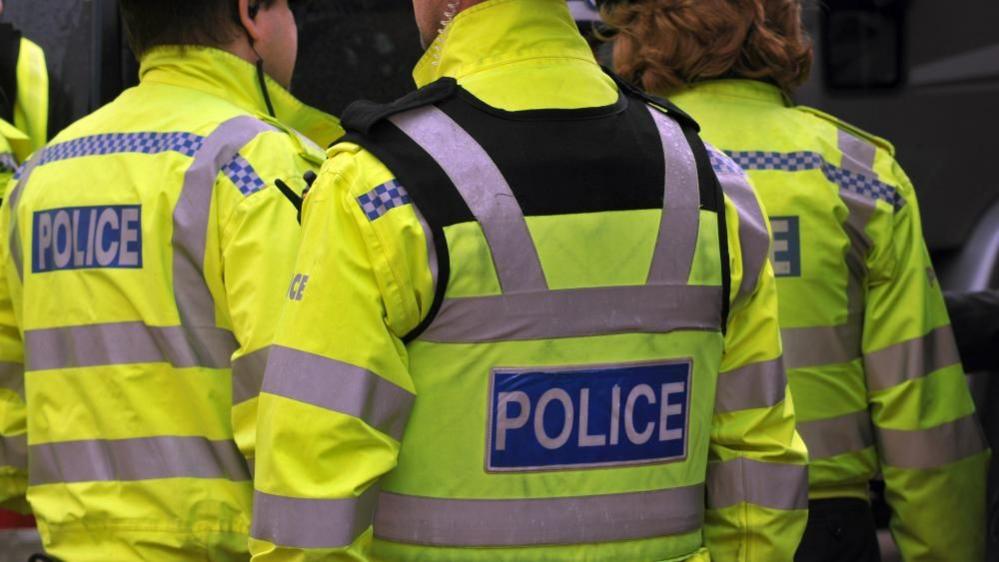
(Lanka-e-News -15 May.2026, 11.30 PM) This is a very serious and highly sophisticated scam that the Sri Lanka Police and the Computer Crime Investigation Division (CCID) have recently issued urgent warnings about.
The details you provided align exactly with the "Police Impersonation Scam" currently hitting Sri Lanka. These fraudsters are not just random callers; they are organized criminals using psychological pressure and digital "props" to terrify their victims.
How the "Fake Police" Scam Works
Based on reports from the CID and Cyber Crime units, here is the breakdown of their tactics:
Identity Theft of the Deceased: Scammers often use SIM cards registered under the names of deceased individuals or stolen IDs to make their calls untraceable.
The "IP Balasooriya" Person: They frequently use common or official-sounding names like "IP Balasooriya" or "Inspector Silva" to sound authoritative.
The Staged Environment: When they switch to a WhatsApp Video Call, they sit in a room designed to look like a police station. They use:
Backdrops with "CID" or "FCID" logos.
Fake police uniforms.
Sound effects of police sirens or walkie-talkies in the background.
Accomplices who walk by in the background, dressed as officers to make it look like a busy station.
Pre-Call Research: They study the target’s social media or leaked data first so they can mention real family names or workplace details, making the "investigation" feel real.
The Threat: They claim your bank account is linked to "money laundering" or "drug trafficking." They threaten immediate arrest unless you "verify" your account by providing your OTP, password, or transferring money to a "secure government account" (which is actually the scammer's account).
Vital Rules for Protection
The Sri Lankan Police have emphasized that legitimate officers will never do the following:
Never ask for an OTP or Bank Password: No police officer, CID official, or bank manager will ever ask for your One-Time Password (OTP).
Never conduct official interrogations via WhatsApp Video: Real investigations happen at the police station. If they say you are a suspect, tell them: "I will come to the nearest police station with my lawyer," and hang up.
Never ask for money transfers to "clear your name": The police do not use private bank accounts or cryptocurrency (like Binance) to "verify" funds.
What To Do If You Are Targeted
If you or a family member (especially elderly relatives) receives such a call:
Do not answer video calls from unknown numbers claiming to be the police.
Immediately hang up if they ask for banking details or tell you to stay on the call while you move money.
Report the incident:
CCID (Cyber Crime): Call the CID's Computer Crime Investigation Division.
Police Hotline: Dial 119.
SL CERT: Contact the Sri Lanka Computer Emergency Readiness Team at 011 269 1692.
Note: These scammers specifically target women and the elderly because they believe they are easier to intimidate. Please share this information with your family to ensure they know that a "uniform" on a phone screen does not mean the caller is a real officer.
This is a vital warning for everyone. Based on the official instructions from the Sri Lanka Police and the CID, here is the English translation of that urgent public advisory:
Official Public Security Advisory
The Sri Lankan Police strictly advises the public not to disclose the following sensitive information to anyone, regardless of who they claim to be:
Banking Details: Never share your Bank Name, Account Numbers, or Online Banking Passwords.
Security Codes: Never share your OTP (One-Time Password). This is the final key to your money; once you give it away, your funds can be stolen instantly.
Email Access: Do not share your Email Passwords. Scammers use email access to reset your banking passwords and steal your identity.
If You Are Contacted by "Officers"
If someone calls you posing as an officer from the CID, FCID, or any other police unit:
Do Not Comply: Real police officers will never ask for your banking passwords or OTPs over the phone or via WhatsApp.
Verify & Report: If you receive such a threat or request, immediately note down the caller's name and the phone number they are using.
Contact the Hotline: Report these details immediately to the Police Emergency Hotline at 119.
Important Note: Scammers create a sense of extreme urgency and fear to make you act without thinking. If a caller threatens you with arrest unless you provide bank details, it is a scam. Hang up and call the police directly.
By Ruwan Weerakoon
---------------------------
by (2026-05-15 19:37:18)


 Read 23106 Times
Leave a Reply
 0 discussion on this news