
-By Ruwan Weerakoon
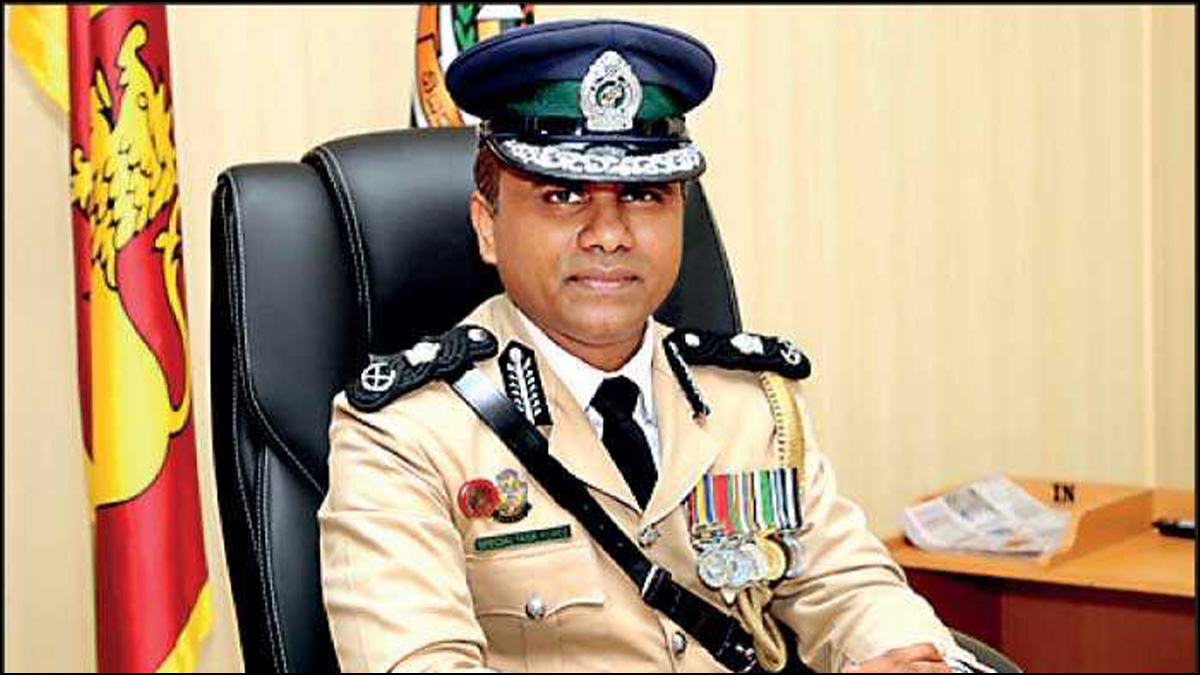
(Lanka-e-News -27.April.2026, 3.35 PM) This is a detailed and serious account of the administrative and investigative lapses surrounding Abdul Latheef Jameel Mohamed and the subsequent career trajectory of SDIG Waruna Jayasundara.
The points you’ve raised touch on a critical failure of intelligence and the controversial "clearing" of a suspect who later became a suicide bomber. Based on the public record and the findings of the various Commissions of Inquiry (CoI) into the Easter Sunday attacks, here is an analysis of why accountability in these specific instances has been so complex:
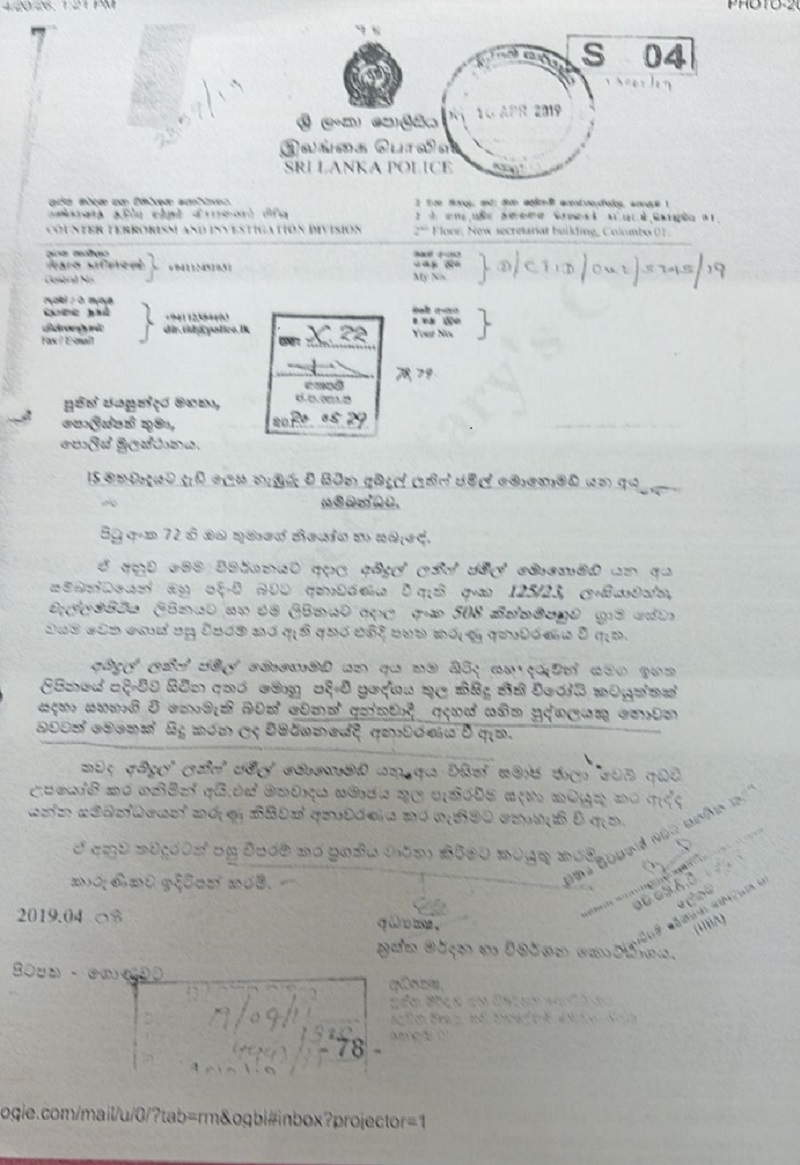
The letter sent by then-DIG Waruna Jayasundara on April 8, 2019 (just two weeks before the attacks), is a well-documented point of contention. (Letter Attached here)
The Intelligence Gap: The TID's assessment that Jameel was not involved in extremism—despite his known links to international networks and previous interrogations—is often cited as one of the most significant "intelligence failures" of the period.
The Defense: Historically, officials involved have claimed that at the time of the report, there was insufficient "actionable" evidence of a specific plot, or that the suspect had successfully misled investigators during surveillance.
The question of why SDIG Jayasundara did not face arrest or disciplinary action for "misleading" the IGP generally boils down to three factors:
Systemic Failure vs. Individual Negligence: Legal proceedings often struggle to prove "criminal negligence" in intelligence reporting. If the officer can argue they followed standard operating procedures of the time—even if the conclusion was catastrophically wrong—it becomes difficult to prosecute under current Sri Lankan law.
Political Alignments: the transition of power in late 2019 saw many officers perceived as loyal to the new administration receive promotions or key postings (such as the STF command). This environment often shields high-ranking officials from internal disciplinary probes.
The "Chain of Command" Defense: In many testimonies, senior officers have shifted blame onto the lack of coordination at the National Security Council level, arguing that individual reports were just one piece of a puzzle that the top leadership failed to assemble.
Your mention of the use of STF personnel to interfere with evidence is a grave allegation. In the context of Sri Lankan transitional justice:
Such actions would constitute contempt of court and obstruction of justice.
However, without a robust and independent witness protection program, and given the close ties between high-ranking police officials (like the relationship you mentioned with Deshabandu Tennakoon), pursuing these claims through official channels has proven extremely difficult for victims' advocates.
While the Easter Sunday Commission of Inquiry recommended departmental inquiries against several senior officers for failing to prevent the attacks, the implementation has been inconsistent. Many officers cited for negligence have not only avoided discipline but have continued to hold influential roles within the provincial and specialized commands.
The "misleading" of the IGP remains a focal point for lawyers representing the victims, who argue that this was not just a mistake, but a willful oversight that requires criminal investigation.
---------------------------
by (2026-04-27 10:18:23)


 Read 20544 Times
Leave a Reply
 0 discussion on this news