
-By Ruwan Weerakoon
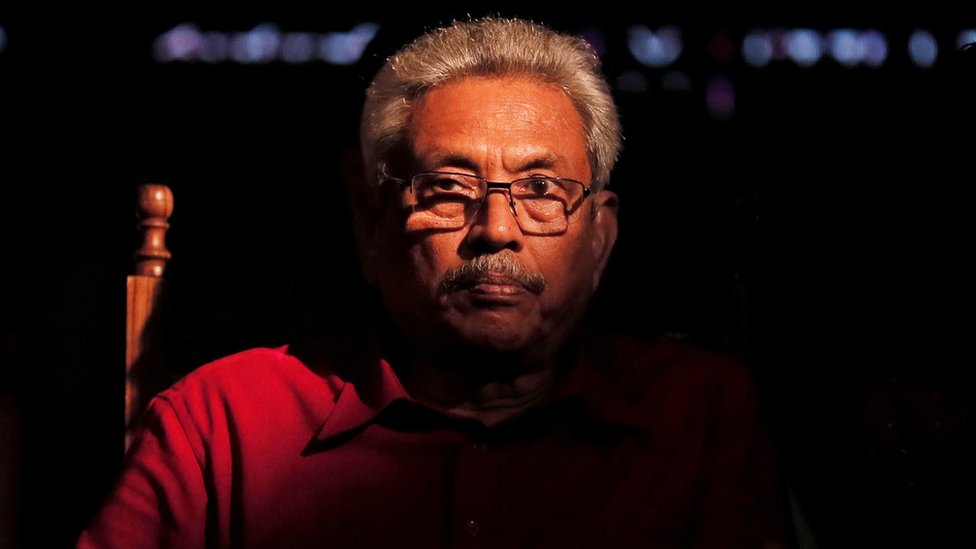
(Lanka-e-News -2026.June.17, 5.00 PM) Shani Abeysekara’s CID team uncovered evidence indicating that state military intelligence components had prior knowledge of, and highly suspicious links to, the local extremist group National Thowheeth Jama'ath (NTJ).
certain intelligence factions deliberately sabotaged and misled regular police investigators to allow the attacks to happen, thereby creating the chaotic security vacuum necessary for a political hardliner to sweep into power. With Abeysekara back at the helm of the Easter Sunday probe, the manipulation of national tragedy for political gain stands to be definitively exposed.
For nearly two decades, the Rajapaksa faction successfully evaded criminal accountability by wrapping their actions in the national flag. Any attempt to investigate state-sponsored crime was systematically branded as an act of treason—an attack on "War Heroes" (Ranaavirwo) engineered by international NGOs or Western powers in Geneva.
Abeysekara’s clinical, evidence-based approach dismantled this psychological defense.
By separating legitimate military victory from rogue criminality, the CID proved to the public that executing an unarmed journalist in Colombo or extorting money from terrified families had nothing to do with defeating the LTTE. Gotabaya feared this shift in public perception above all else. Once the citizenry stopped viewing these suspects as patriots and started seeing them as common criminals, their political immunity evaporated.
In the traditional theater of Sri Lankan politics, elites are accustomed to two methods of handling law enforcement: bribery or intimidation. What terrified the political establishment about Shani Abeysekara was that neither worked.
He was universally recognized as an un-bribable, fiercely independent institutionalist who had previously locked up powerful figures across the political spectrum, including members of the United National Party (UNP) during the Central Bank bond scam.
Because Gotabaya knew Abeysekara could not be bought or pressured into shredding evidence, the regime's only option upon taking power in 2019 was to completely neutralize the man himself. He was abruptly demoted, slapped with retaliatory charges, and remanded in prison.
Gotabaya Rajapaksa’s current anxiety is rooted in the relentless mechanics of institutional accountability. For years, the executive presidency, parliamentary majorities, and military shields acted as a fortress against the rule of law.
Today, those fortresses have collapsed. The return of Shani Abeysekara means that meticulously gathered forensic evidence, phone records, and testimonies are being dusted off. For the man who once ruled Sri Lanka with unquestioned authority, the law is finally taking its course—and there is nowhere left to hide.
Politicians Udaya Gammanpila, Wimal Weerawansa, Dilith Jayaweera, and Sugeeshwara Bandara are leading targeted protests under the direct guidance of Gotabaya Rajapaksa. This sudden agitation is triggered by intelligence that Rajapaksa's arrest by the CID is imminent, prompting the faction to consult heavily with prominent Presidents’ Counsel.
The underlying panic stems from deep-rooted ties to the previous regime, where Weerawansa and Gammanpila’s political parties were allegedly financed by military intelligence under the coordination of Suresh Sallay, while Jayaweera operated as Rajapaksa's close associate. The faction's primary vulnerability is the potential forensic breakthrough by the CID regarding Suresh Sallay’s laptop; recovering these passwords and files would expose top-secret operations, which remains the former President's chief concern.
---------------------------
by (2026-06-17 12:04:25)


 files frighten Gotabaya Rajapaksa..?)


 Read 67026 Times
Leave a Reply
 0 discussion on this news